
Data Must Fall

Data Must Fall

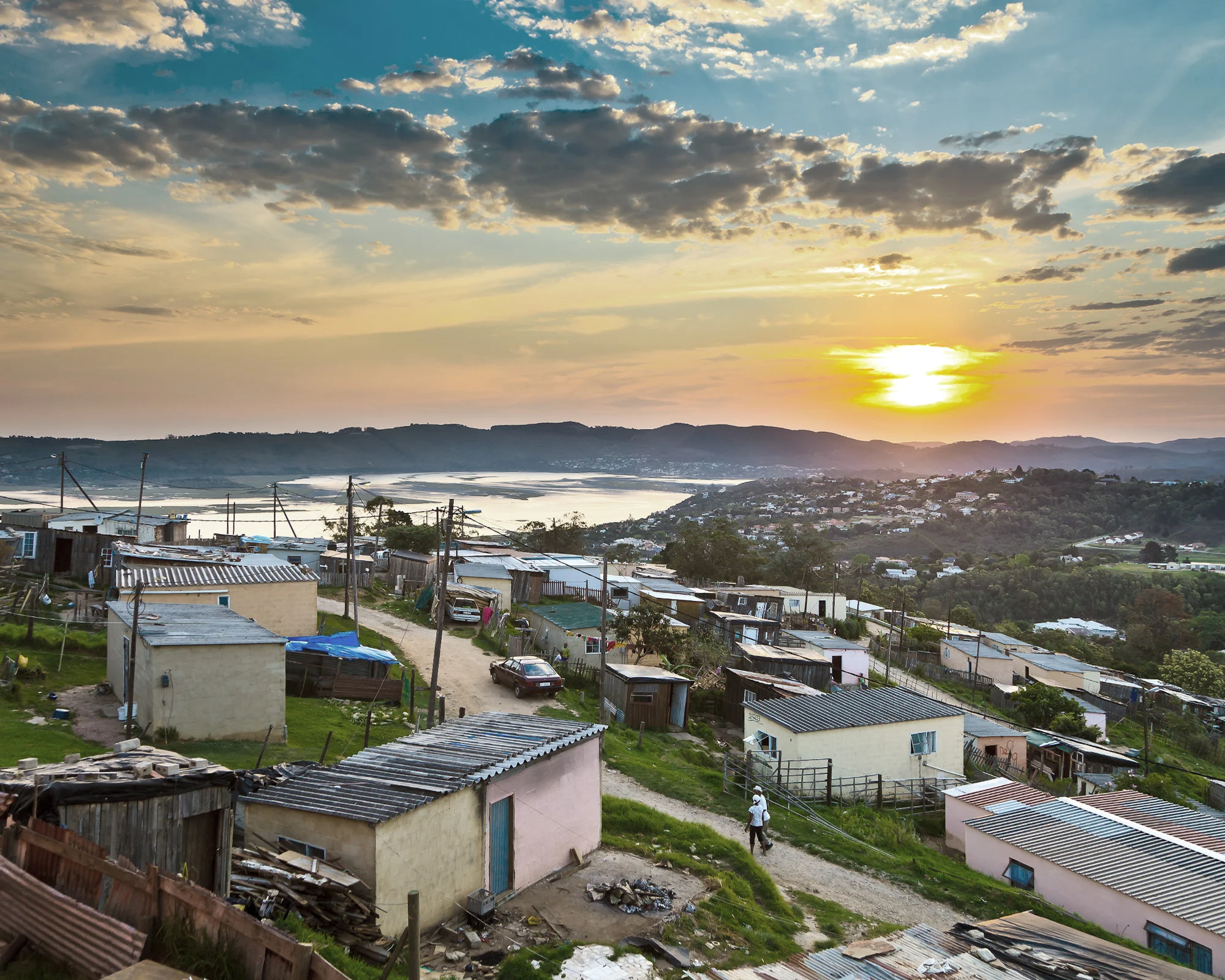
The #DataMustFall campaign is a grassroots movement on social media to draw attention to, and hopefully impact, the high cost of data in South Africa. Since 2016, consumers have been touting their dissatisfaction over the unfair expense of high data prices and the imbalanced effect it has on lower income community members.

In large urban centers, there is a competitive market of mobile networks that users can price shop between—including mobile, fixed-line and fiber—and a slew of internet service providers to choose from. Conversely, in less-connected communities where the majority of the population lives, connectivity is limited to mobile networks only.

The high cost of data in South Africa rivals the expense in comparative countries such as Nigeria and Egypt, and in bordering countries Malawi and Zambia. And it disproportionately impacts poorer individuals. Mobile providers bundle their data packages by size and charge more per MB for the smaller bundles. In this example, while a higher-income resident can buy 1GB of data at R149, the lower income resident has to buy it in smaller chunks to accommodate their available cash flow. So, instead they buy 100MB of data at R29 ten times. This means the lower income resident pays R290 for the same 1GB of data—almost double the price.

The movement has applied enough pressure to initiate parliamentary hearings on the topic and most recently, the attention of South Africa’s President Ramaphosa who is planning to license spectrum in a process to promote competition, transformation, inclusive growth of the sector and universal access. “This is a vital part of bringing down the costs of data, which is essential both for economic development and for unleashing opportunities for young people,” he said, then calling on “the telecommunications industry further to bring down the cost of data so that it is in line with other countries in the world”.

At Delta, we believe internet access should be accessible and affordable for all, and are proud that our Delta Smart Grid Network™ can help facilitate that.

 

Digital Inclusion as a Driver of Economic Growth

Digital Inclusion as a Driver of Economic Growth

The far-reaching impact of the Internet since its introduction cannot be denied. It enabled the introduction of a myriad of digital devices that have since progressed society in numerous ways; some anticipated and others not. That progression has enabled many challenges to be overcome while at the same time creating new challenges, like the Digital Divide previously written about by my colleague. When used correctly digital inclusion can drive economic growth. Take South Africa, for example:

In South African President Ramaphosa’s recent State of the Nation Address, he emphasized that the prioritization of education and the development of skills must be at the center of the country’s efforts to achieve higher and more equitable growth, draw young people into employment and prepare the country for the digital age. The president noted that over the next six years the government will provide a tablet device with digital workbooks and textbooks to every school child, starting with those schools that have been historically most disadvantaged and are located in the poorest communities, including multigrade, multiphase, farm and rural schools.

Further, President Ramaphosa recognized that small businesses play a vital role in stimulating economic activity and employment, and in advancing broad-based empowerment. As such, the government of South Africa will be expanding its small business incubation program to provide entrepreneurs with physical space, infrastructure and shared services, access to specialized knowledge, market linkages, training in new technology and access to finance. As part of the expansion program, township digital hubs will be established in four provinces with more to follow. I previously wrote about such a hub when discussing Mzansi Digital Republic’s work in my post on connected societies.

As other South African citizens like myself ponder the President’s remarks, for me, the Delta Smart Grid Network™ comes to mind as a solution to support the efforts outlined above. It fills in the gaps left by current telecommunications providers through the building of a community-wide Wi-Fi infrastructure while at the same time addressing some of the electricity challenges facing the country today.


Connected Societies

Connected Societies

We know that access to the internet has the capability to economically propel communities around the world, as my colleagues previously shared regarding emerging markets and rural America. But how do we take that access and convert it from individual use to a truly connected society? The community in Delft, South Africa provides us with an example.

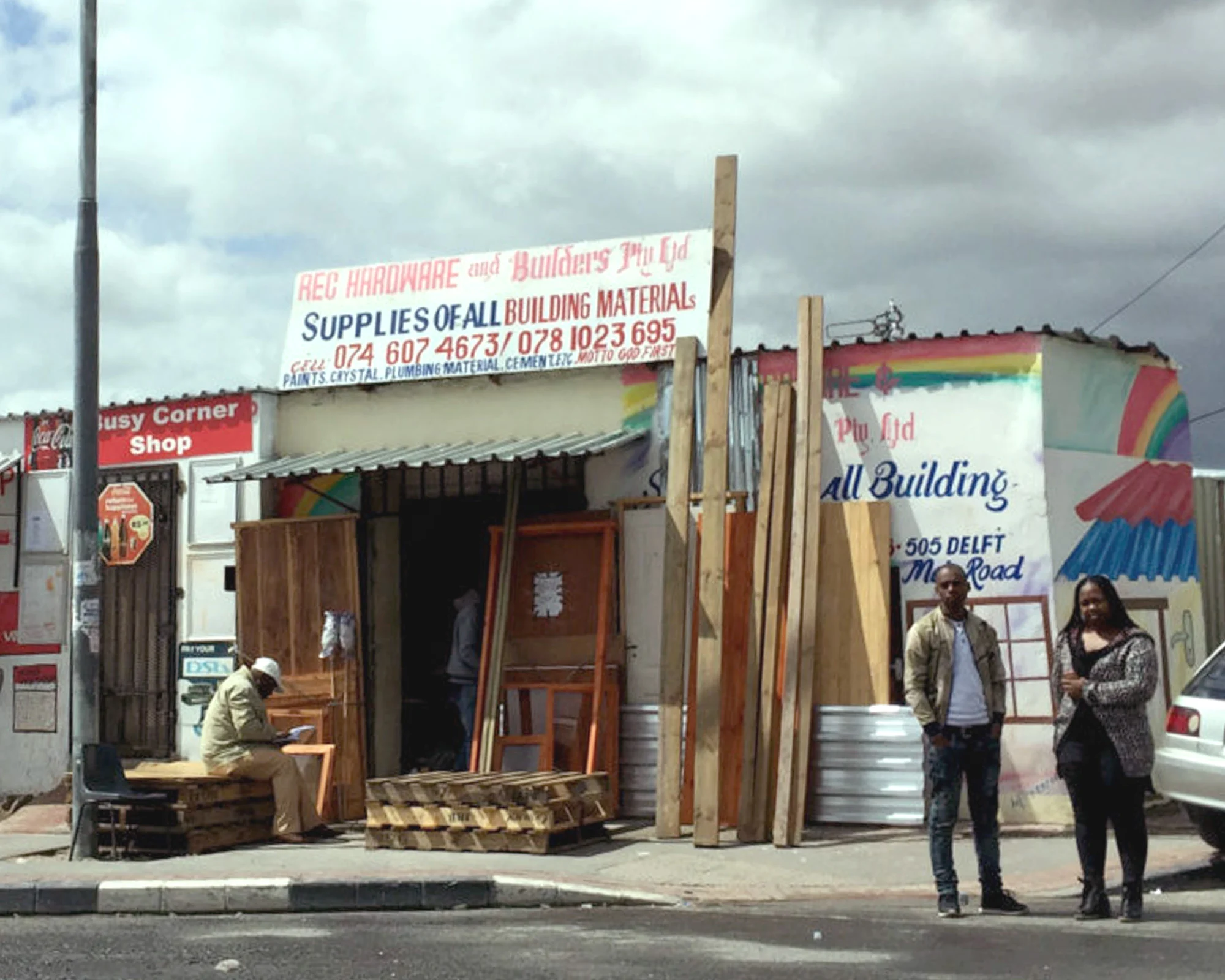
The Delft government and the Mzansi Digital Republic (MDR) are working to implement public Wi-Fi to boost the local economy. MDR’s aim is to create digital citizens with the vision of unlocking the knowledge-based economy. To do that, they consider a multi-faceted approach to power, IoT infrastructure and internet access, connected devices, online community, e-commerce, and online support. Through their disruptive model of realigning the value chain of consumption and actualizing new opportunities for business, employment and social engagement, MDR is connecting the society in Delft in ways that haven’t been done before. As a result, local tech businesses have grown, generating local employment, facilitating digital commerce and ushering in local economic empowerment, thereby preventing a large amount of money from trickling out of the community.

In general, connected societies like the one developing in Delft will open opportunities for more collective action in regards to single-issue movements, while open government initiatives and access to public sector data will lead to more transparency and citizen-focused public services. The critical backbone to a connected society is a robust communications infrastructure that can support the required level of community connectivity. The Delta Smart Grid Network™ comes to mind as a solution—it fills in the gaps left by current telecommunications providers through the building of a community-wide Wi-Fi infrastructure.

Convergence Has Arrived

Convergence Has Arrived

Convergence is defined as “the merging of distinct technologies, industries, or devices into a unified whole.” The most notable example of convergence in the consumer space is the smart phone. Today’s smart phones paved the way for strategically grouping multiple purposeful products into one exceptionally capable device. Now, instead of having a cell phone, a digital camera, an mp3 player, a video recorder and a GPS system, consumers have the modern smart phone—capable of all of these things and more!

It’s not just consumer-facing products though that are benefitting from convergence. We see it in a wide variety of industries, a slew of individual technologies (especially those related to the Internet) and throughout the media. Through the Delta Smart Grid Network™ (DSGN™), convergence for the smart city has now arrived. Delta’s Smart Grid Network taps the same strategy of convergence to innovatively join smart grid infrastructure, Wi-Fi mesh networking and consumer-facing digital devices into a singular, standardized and centralized smart city solution.

By uniting the primary elements of power infrastructure management, Wi-Fi mesh networking, cloud-centered analytics, augmented reality interfaces and consumer-centric digital device capability, the DSGN™ builds the world’s first, Wi-Fi based, second generation advanced metering infrastructure (AMI 2.0). All while using Delta’s patented and patent-pending hardware, software, networking and cloud-centered technologies.

Since the Internet of Things (IoT) is one of the fastest-growing opportunities for global municipalities, but municipalities are often stuck in outdated infrastructure, the convergence of technologies into the DSGN™ provides a singular, standardized and scalable solution. With this solution, utilities can tackle all four elements of a power network: distribution and communication, smart metering, optimization, and installation and servicing. And, with the DSGN™, utilities and municipalities may abandon the decades old paradigm of selecting multiple, individually suited networks to support electricity, water and gas distribution analytics capabilities. With the DSGN™, municipalities may fully embrace the benefits of convergence through the deployment of a singular, exceptionally capable smart city infrastructure delivery network.

The Value of Community Buy-In

The Value of Community Buy-In

Many of our customers share our vision for wanting to help communities – underserved populations especially – to build out their infrastructure in the right way to empower them and better their own futures. A digitally connected community can learn, grow, and gain access to new information and enhance each individual’s position as global digital citizens.

Yet, despite the greatest intentions, if one fails to earn community buy-in and invest in the community when trying to do something good, that project could unravel – whether from residents’ discontent with the disruption from implementing infrastructure in a neighborhood, or a community’s high rates of vandalism and other crimes. But, if one starts by building relationships in the community and understanding its needs, keeping those stakeholders and residents involved in the process, and demonstrating the ongoing commitment to the community, one will have most likely earned the buy-in needed to succeed.

In a key example in Delft, South Africa, the government and the Mzansi Digital Republic wanted to implement public WiFi to boost the local economy. But, this would not have been possible without securing the buy-in of the community up front – especially given that Delft is considered one of the top 10 worst crime areas in Cape Town. The Mzansi Digital Republic took the time to approach leaders in several of the neighborhoods in Delft to explain the value of the project to that particular neighborhood, and earn the trust and buy-in of these leaders. In accomplishing this, these leaders spread the news throughout the community and served as advocates for the project. As a result, local tech businesses have grown, generating local employment, facilitating digital commerce and ushering in local economic empowerment, thereby preventing a large amount of money from trickling out of the community.

In another example in Chino Hills, California, residents and community stakeholders were pushing back on the Southern California Edison Tehachapi Renewable Transmission Project, which would disrupt the surrounding communities and state park. After six years of discussion with the community, the commission found a compromise that satisfied community members – to underground the lines and build the nation’s first subterranean 500-kv line along a 3.5-mile stretch.

Bridgiot’s Dropula smart water meter project for schools in the Western Cape of South Africa is another key example of companies prioritizing community buy-in. After the Shoprite Group piloted Bridgiot’s Dropula smart water meter at Hector Peterson Secondary, where the school was able to save three million liters of water in three months, a Smart Water Meter Challenge was proposed to help the 1,672 schools across the Western Cape save water as well. Schools were invited to sign up to have a smart water meter installed, and local businesses and companies were invited to donate to sponsor installations at more schools. In unifying the community toward a common goal, the company was able to secure the buy-in needed to succeed in the region.

Having conversations and developing relationships with community stakeholders and residents such as in Delft and the Western Cape, and even making larger accommodations like in Chino Hills, offers an important way in which utilities can gain community support; and, in turn, help those communities to thrive.

Addressing Poverty in South Africa

Addressing Poverty in South Africa

South Africa weaves a rich tapestry of cultural and ethnic diversity. From the streets of its metropolitan cities to the rural villages of its hinterlands, South Africa’s predominantly young population is characterized by a wide range of languages, religious beliefs, and customs. According to Statistics South Africa (Stats SA), in 2011, the population of South Africa was 51. 8 million.

Last year, Statistics South Africa published a report that updates the national and provincial poverty lines, setting the minimum socially acceptable standard to separate the poor from the non-poor. Stats SA’s new poverty lines come from a cost-of-basic-needs approach, including both food and non-food. It calculates the minimum amount of money you need to survive. Those who fall below that line live in poverty.

It uses three lines of poverty – the food poverty line (FPL), the lower bound poverty line (LBPL) and the upper bound poverty line (UBPL). The FPL sets the rand value below which you can’t purchase enough food to meet a minimum energy intake, about 2,100 kilocalories a day. The next two categories take into account other needs. Those below the LBPL line do not have enough money to purchase both adequate food items and non-food items, thus, have to sacrifice food to pay for essential and non-essential items such as transport and airtime. The UBPL group are still considered in poverty, but can generally purchase both food and non-food items.

The latest statistics say that 21.7% of South Africans live in extreme poverty, not being able to pay for basic nutritional requirements; 37% of people don’t have enough money to purchase both adequate food items and non-food items so they have to sacrifice food to pay for things like transport and airtime; 53.8% of people can afford enough food and non-food items but fall under the widest definition of poverty in SA, surviving on under R779 per month.

The Stats SA food poverty line is equivalent to a person living on $2.34 a day, “which is almost double the international poverty line for extreme poverty ($1.25).” The report continues, “The LBPL is [purchasing power parity] $3.50 day and the UBPL is [purchasing power parity] $5.43, slightly above the highest international poverty line of purchasing power parity $5 referenced by the World Bank and other international agencies. When converted to purchasing power parity, the poverty lines for South Africa are above the most extreme international lines, but within the maximum used for international comparisons for developing countries.”

As South Africans, we need to look to the future and see what we can individually and collectively do to change the state of poverty in South Africa. One compelling proposition involves the facilitation of Public Private Partnerships, recognizing the efficiencies gained through the pairing of for-profit business organizations with both local government institutions and non-governmental humanitarian organizations (NGO’s). What if an international business operation, collaborating locally, could field a technology-centric methodology for empowering local educational NGO’s with rural access to the global Internet? Open and available information is a primary component of individual engagement, education, empowerment, and ultimately, autonomy.

This vision and the underlying philosophy are core to Delta Energy & Communications. At Delta, we believe in Profits with a Purpose to empower both local communities and local enterprise through our Delta Squared strategy, which emPOWERs businesses and their communities by working to solve both business and social issues in tandem.


Contact

United States
29975 Technology Drive
Suite 101, Murrieta
CA 92563

+1 951 816 6338
[email protected]