The Value of Data and Information

The Value of Data and Information

An investment in advanced data collection technology returns value far beyond meter reading and billing.

The traditional view of advanced metering infrastructure (AMI) is that it provides reductions in meter reading costs and improvements in meter reading operations. While this is true, it is far from the whole story. The greater story is the exploding value of infrastructure-wide usage information. In truth, data that is collected for $1 today will be worth orders of magnitude more in the future. This is possible by transforming data that is currently used for billing purposes into information with strategic applications along the interdependencies of a fully realized smart city infrastructure, one where a full value chain is optimized and performing against this connected and shared data.

Five areas in which AMI data can be used include:

  • Improving revenue cycle services through increasing operating efficiency, increasing the efficiency of field staff, and improving revenue assurance.
  • Managing the local distribution system through the immediate reporting of any outages, planning system improvements, forecasting load and usage, and correlation against other smart infrastructure usage patterns.
  • Managing deregulated/customer choice environments through improved forecasting, reconcilement and settlements, improved outage detection and reliability, meeting new data requirements, integrating renewables, and preparing for retail competitiveness along the entirety of the customer value chain.
  • Delivering new services including updated billing options, monitoring and data delivery services, consulting and other services, submetering, and alternative wireless communications avenues.
  • Delivering value to the end customer by identifying usage patterns, providing monitoring and data delivery services, allowing for submetering, giving customers billing options that best suit their needs, and integrating customer-facing servicing and response systems such as dedicated webpages or smart phone applications.

The new uses and new users of information have forged a new economic reality in today’s smart city infrastructure. Information – the ability to gather it, manage it, distribute it, correlate it, action it and maximize its value will be key arbiters of success in the fully connected marketplace of the 21st century. That’s why we’ve included comprehensive analytics in our DataSCAPE™ product as well as scalability in the system to enable expansion along a connected smart city infrastructure within our Delta Smart Grid Network™.


 

Social Issues are Important Too

Social Issues are Important Too

All year long we believe business needs and social issues should not be mutually exclusive. With another holiday season here, our belief in that concept is underscored. Business models should not only provide positive economic outcomes for our customers, but they should also address social issues in the larger community – especially in underserved populations around the world. And, while we work toward that end, we are each supporting the communities in which we live and operate. I’m proud that Delta’s employees prioritize making a positive impact where they live. Whether through donating goods, money or time, Delta’s team makes a concerted effort to highlight the importance of social issues while we work to empower the communities we serve.

If we can help communities to build out infrastructure in the right way, we can empower and enhance the economic positions of our customers. And, in parallel, we can address critical social issues by enabling broader access to a world of knowledge and economic opportunity otherwise inaccessible to many of these same communities. This in turn enables opportunities for those in underserved populations to empower and better their own futures. Specifically:

  • Education – Wi-Fi empowers the community, giving them an opportunity to learn, grow, and gain access to new information and skills.
  • Microenterprise/Local economy – The DSGN™ provides the platform to explore business ideas, research, and turn concepts into reality.
  • Community Infrastructure – Delta brings communities into the digital world, providing a foundation for optimized infrastructure and energy resources while enabling global, digital citizenship.

We are incredibly proud of our employees and the work we do with our partners around the world to not only help improve their businesses, but also help communities grow and thrive.


What Shaped the Industry in 2018?

What Shaped the Industry in 2018?

In January, I shared Delta’s Industry Outlook for 2018 noting changes and innovations that we expected to see shaping our industry. In that post, I wrote about how:

  • The use of asset performance management will continue to grow.
  • Solutions for grid and utility cybersecurity will be top of mind.
  • Emerging technologies like AR will continue to shape the workforce.
  • There will be an expansion of Wi-Fi and a greater proliferation of cloud-based networks.
  • Looking back on the year, let’s review how these key outlooks are driving the utility industry.

Asset performance management

As identified in T&D World’s recent article, Asset Performance Management Comes of Age, “Utilities that have invested in digitizing their grid have positioned themselves to reap significant rewards as a result.” Asset performance management will enable a utility to rationally prioritize capital planning for aging asset replacement.

Further, collaborations like the recent one between Siemens and Bentley Systems show how those in the utility industry can benefit from asset performance management and how APM may evolve to include predictive analytics, necessary for pre-emptive asset actions, in addition to monitoring current performance.

Cybersecurity

Cybersecurity has remained top-of-mind, but as noted in a recent Smart Energy International article, a persistent attacker will eventually breach critical control systems. The article goes on to discuss the rising threats in utility cybersecurity and offers these important notes:

  1. Insist on systems that require more than a promise and a “handshake.”
  2. Be dynamic rather than static or reactive regarding cybersecurity.
  3. Cybersecurity can always be improved.

At Delta, we’re aligned with these viewpoints and that’s why we’ve made sure our Delta Smart Grid Network™ (DSGN™) conforms with the latest security protocols to protect network access and data integrity, from the point of device registration through the catalog and retention of cloud-based storage.
Augmented Reality

According to ABI Research, total AR market revenues for the energy and utilities industry are expected to grow to US$18 billion by 2022, with platform and licensing, and smart glasses hardware comprising the majority.
Further, a recent Electric Light & Power article, Today’s Reality, Augmented Reality: Improving Field Worker Efficiency, Security and Quality, notes the following:

The maturing and integration of smart glasses, wireless communication, mobile devices and augmented reality software is opening up new solutions to age-old problems that utility operations managers and their field crews encounter every day, such as:

An expansive set of field assets that make it difficult for field technicians to be experts with all equipment, increasing maintenance time and exposing potential safety challenges.

  • Lack of time and qualified inspectors to complete the number of required inspections.
  • Safety risks due to lack of experience with the broad array of tools and assets.
  • Pressure to reduce costs while improving restoration times.
  • Inability to easily record field work for further evaluation, inspection, and training.
  • Loss of institutional knowledge due to retirements or attrition.

We at Delta embraced this technology through the development of our PowerVISR™ hardware. We strongly believe that customer-centric, future hardware platforms will follow this increasing trend for augmented reality integration.

Wi-Fi and cloud-based networks

According to the Wi-Fi Alliance, “Wi-Fi is the most commonly used wireless communications technology; the primary medium for global internet traffic; a driver of nearly $2 trillion in global economic value; and growing, with 3 billion devices shipping in 2018 and 9 billion devices in use.”

Additionally, through Wi-Fi Offload mobile operators are able to relieve the congested mobile data networks with additional capacity from unlicensed Wi-Fi spectrum. This allows them to facilitate combined carrier-class Wi-Fi and mobile services and profit from offering customers a vast service improvement with convenient ‘always-on’ data connectivity.

Delta’s technology and business model aggressively supports all three noted principles; Wi-Fi proliferation, Wi-Fi offload and cloud-based networks. Our unique Wi-Fi enabled Delta Smart Grid Network unleashes the power of a truly connected smart city, embracing the most commonly used wireless communications technology, while delivering Internet wherever there is power.


Augmented Reality

Augmented Reality

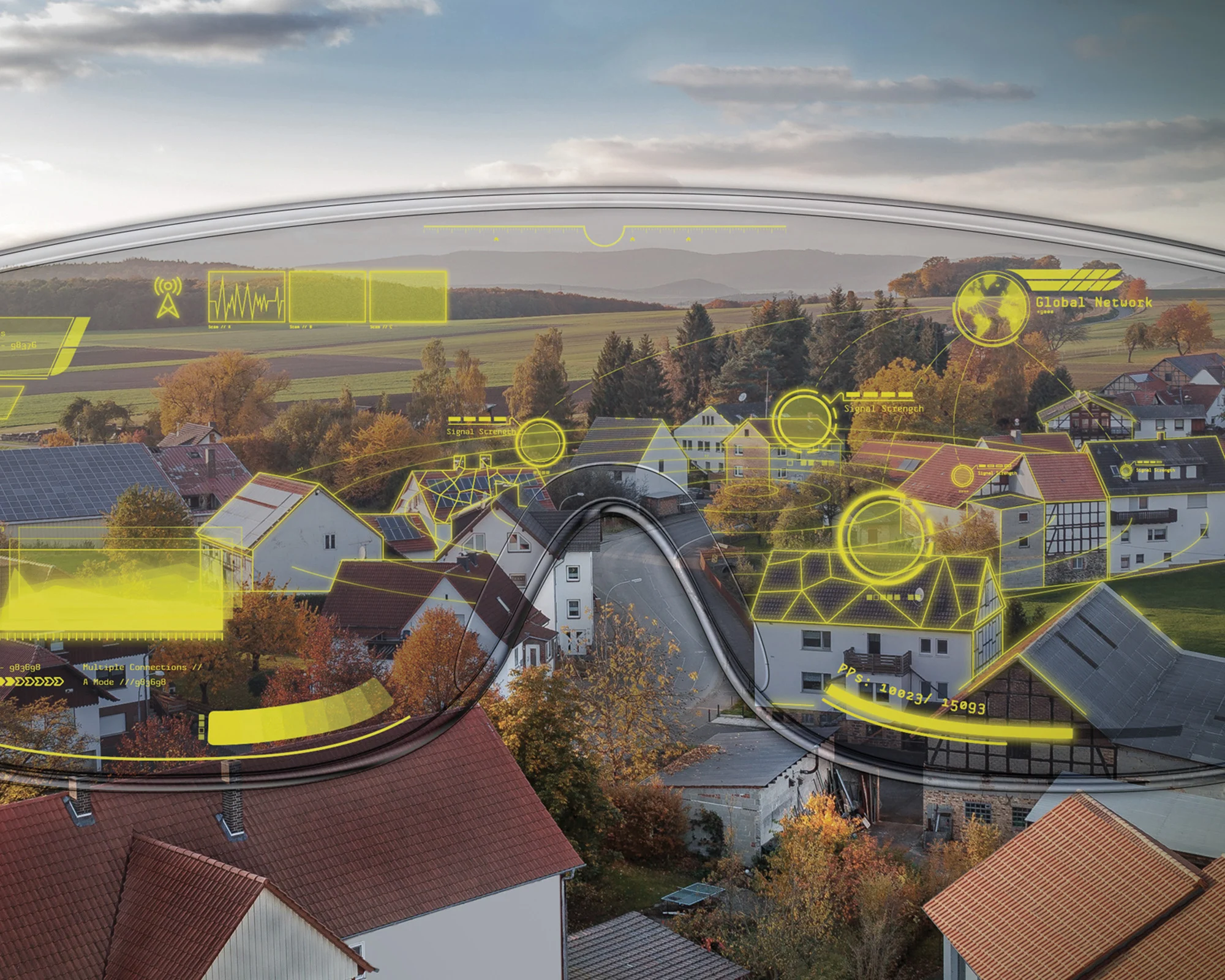
A utility field technician’s day is filled with frequent stopping and starting to access and assess the distribution system—and the utility bears the burden of what happens when resources get stretched too thin. How can it make sure that the right data is available to the right person, in the right format and at the right time and place in order for the insights from that data to provide practical value? One way is to bring augmented reality (AR) tools to the utility’s field force. By equipping field personnel with AR tools, utilities can streamline things like asset health assessments, service documentation review, repair requirement summaries, repair qualification activities, work order prioritization, location routing and more.

One example of using AR to improve efficiencies is demonstrated in a 2017 proof of concept between the Electric Power Research Institute (EPRI) and Duke Energy which tested the use of augmented reality in assessing storm damage. In the project, field workers wore a heads-up display (HUD) unit incorporating a monocular screen that provided key information to keep assessments accurate and consistent. This screen overlaid information on the user’s field of view, enhancing their capability to real-time visualize actionable date on that subject matter at hand. The field crews were very positive about their experience and Duke Energy calculated that for a typical, 4-day outage impacting 250,000 customers, using AR would save around 12 hours of restoration time—or $8.25M for customers with an average power consumption of 900kWh per month.

Another way AR could be used is for general servicing and repair. Augmented reality would be able to overlay key performance data into the field of vision for a service technician allowing him or her to immediately assess the health of an asset. For example, being able to see the load, temperature and oil level of a transformer simply by looking up at it with an AR device would expedite identification of any issues. This AR capability would instantly allow a field technician to prioritize service actions against multiple assets within their field of view, all without opening, powering and inquiring using traditional keyboard centric field devices.
It’s important to note, according to EPRI’s 2018 literature review of human factors issues in the Electric Power Industry, there is still a shortage of human factors and occupational safety research for AR devices.

Therefore, guidelines for the appropriate amount of time for safe and effective AR usage are lacking. This being true, as the technology progresses and electric utilities continue to experiment with using it more information will become available and, similar to other adjacent markets, we anticipate pick-up in adoption of this exciting user interface methodology.

Broadband Internet in Rural America

Broadband Internet in Rural America

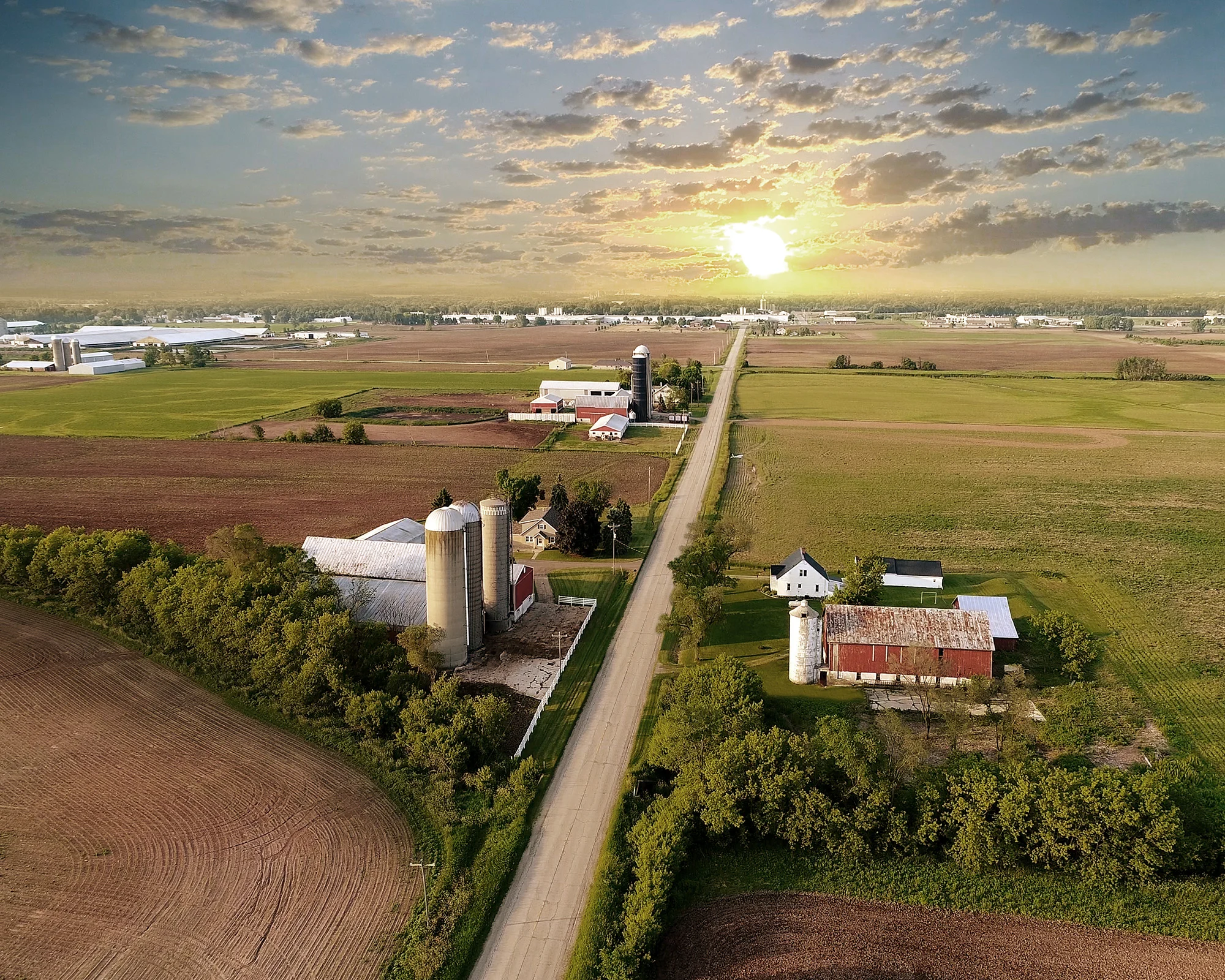
Last summer, our team wrote about the Digital Divide and how the Internet can empower and propel emerging markets. While we’ve seen some progress on connectivity solutions in the past year, there is still a way to go—and it’s not just emerging markets that would benefit from more affordable, reliable internet access. According to the Federal Communications Commission (FCC), 34 million people in the U.S. lack access to broadband internet—23 million of those people are rural Americans. And while an increasing number of schools have high-speed connections, approximately 41 percent of schools (47 percent of American students), lack the connectivity to meet the FCC’s short-term goal of 100 Mbps per 1,000 students/staff.

As with emerging markets, rural Americans would benefit from reliable, affordable broadband access. State and local officials see broadband access as essential for economic development, access to educational opportunities and access to “telemedicine” so that rural patients can use the Internet to consult with medical specialists in urban areas.

The main obstacle to broadband access in rural America is cost—that’s where the Delta Smart Grid Network™ (DSGN™) comes in. As a pioneering 2.4 GHz and 5GHz Wi-Fi-based wireless wide area network (WWAN) that reduces the need for telecommunications infrastructure build-out, the DSGN™ delivers broadband Internet to the populations served by its utility customers, while also creating opportunities for IoT engagement and monetization by its telecommunications partners and OEMs. This leveraging of the electrical grid and the providing of a sufficient return on investment to electrical utilities and associated partners entices the private sector to get involved, thus overcoming cost obstacles and enabling consumers of electricity to have broadband Internet access.

Distributed Energy Resources

Distributed Energy Resources

Distributed Energy Resources (DER) are small, grid-connected devices that locally generate and store electricity. Unlike conventional power stations that require electricity to be transmitted over long distances, DER systems are located close to the load they serve (often behind the meter) and are more modular and flexible. Increasingly operated in the context of a microgrid, DER may lower environmental impacts and improve the security of electrical supply.

As with everything, DER pose both pros and cons. From a benefit standpoint, potential cost savings to customers, a reduction in emissions when moving away from traditionally-used fossil fuels, and greater control by consumers of their own power lead the list. While the main challenge includes reductions in utility revenue, as the amount of electricity distributed by power plants lessens while the plants’ operating utilities still must invest in the infrastructure to maintain the grid.

As DER becomes a more significant percentage of the energy supply, reliable communications will be required to monitor and effectively use these resources. According to the U.S. Department of Energy, unlike today’s one-directional system, the energy flow to accommodate DER will be multi-directional (i.e. utility to home, home to utility, home to home) making effective communications technologies and analytical systems critical in these applications. Some experts have suggested that AMI systems currently in development will be able to support the integration of DER into the grid, for instance through the use of ZigBee or other Home Area Network (HAN) technologies. However, we know these technologies to be limiting in certain capacities.

An alternative approach to communications for DER is to incorporate them into the Delta Smart Grid Network™ (DSGN™). As an advanced smart grid and analytics hardware/software solution that is more inclusive and scalable than competing systems, the DSGN™ provides unparalleled data collection and delivery opportunities that make it possible to deliver and receive user data wherever there is electricity. The bi-directional nature of the DSGN™ enables the incorporation of DER while maximizing network capabilities and providing broadband internet access to consumers of electricity.

Microgrids

Microgrids

The major intention for microgrids, small-scale power grids that can operate independently or in conjunction with an area’s main electrical grid, is that they can power themselves and operate independently in the case of an outage with the central grid. Recently, they have been thrust into the spotlight as a potential solution to add resiliency to the electric grid after major natural disasters—like Hurricane Maria last year and Superstorm Sandy in 2012. Their capability to fully disconnect from the grid and operate independently, if needed, is alluring to those who seek to increase the resiliency of the electrical grid, but they are just one part of a multi-faceted solution to prevent future failures of the grid.

Microgrids are popping up across the U.S. and, outside of the U.S., they’re gaining more attention—particularly in developing countries where there might be no grid power and microgrids offer a safe and reliable alternative. In fact, a recent report from IDC indicates that “through 2020, emerging markets will offer the largest growth opportunity for microgrids, reducing the need for bulk transmission systems and creating new revenue streams for up to 25 percent of utilities worldwide in the form of microgrid as a service (MaaS).”

Regardless of location, a combination of microgrids, smart grid technologies, distributed generation resources and operational analytics and intelligence will help enhance the grid’s resiliency. Despite the many opportunities that microgrids present, they are only one piece to the puzzle of battling the shortcomings of the overall grid and future failures. There is a common misconception that microgrids alone can be substitutes for the larger electric grid. But ultimately, if a microgrid is serving more than one building, it’s relying on much of the same grid as we use today.

Instead, we must capitalize on the opportunities presented by microgrids by considering a combination of solutions—microgrids, smart grid technologies, distributed generation resources, and operational analytics and intelligence—working in harmony together. Integrating smart grid technologies, operational analytics and intelligence are critical to enhancing the effectiveness of the microgrid and providing visibility into these key areas.

It is clear that the popularity around microgrids will only continue to grow as concerns about overall grid resilience continue. Microgrids alone, however, are not the solution to the challenges facing the electric grid. Implementing analytics and intelligence solutions to enhance the viability of the microgrid will put us well on our way to a more resilient, efficient grid that can better safeguard against potential outages.

Applying Innovation

Applying Innovation

These days, the majority of companies like to call themselves innovative—almost to the point where the word loses its meaning. But what does it take to be truly innovative? Whether you view innovation as a new idea, device or method, or as the application of better solutions that meet new requirements, the premise is the same: it solves a problem. As Albert Einstein once said, “We cannot solve our problems with the same level of thinking that created them.” To add value and improve the quality of life for societies around the world, we need organizations and businesses to embrace and prioritize innovative practices. That being said, at Delta we consider innovation to be paramount to our daily activities and a primary driver for addressing our customers’ needs, mitigating their pain points and anticipating their unforeseen delights.

Two fundamental principles that shape our approach to innovation are to think big, start small and move fast and to anticipate step changes. Let’s look at each principle directly:

  • Think Big, Start Small, and Move Fast: Driven by customer intimacy, market intelligence and vision, we differentiate between “wants” and “needs” and identify customer “pain points” through extensive voice of customer (VOC) research. Through this process, we are able to anticipate market shifts and customer delights. Then, leveraging our expertise, we connect the dots between customers, products, technologies, advanced processing, channels and processes.
  • Anticipate Step changes: When we anticipate step changes we ask ourselves two questions: What concepts, principles, and technologies will fundamentally change our product experience and manufacturing capabilities? What concepts, principles, and technologies will replace the fundamental need for our products and shift our industry? Based on the answers, we can align with our VOC research and develop innovative solutions to customer concerns.

Applying these fundamental principles and recognizing the unique opportunity afforded by uniting power distribution with a pioneering, customer-centric network, we developed a singular, standardized, and scalable solution—called the Delta Smart Grid Network (DSGN™)—that tackles all four elements of a power network: distribution and communication, smart metering, optimization, and installation and servicing.

The innovation behind today’s smart phones paved the way for strategically grouping multiple purposeful products into one exceptionally capable device. Delta’s Smart Grid Network taps the same strategy to innovatively join smart grid infrastructure, Wi-Fi mesh networking and consumer-facing digital devices into a singular, standardized and centralized smart city solution.

The Delta Smart Grid Network™ unites the primary elements of power infrastructure management, Wi-Fi mesh networking, cloud-centered analytics, augmented reality interfaces and consumer-centric digital device capability to build the world’s first, Wi-Fi based, second generation advanced metering infrastructure (AMI 2.0). All while using Delta’s patent-pending hardware, software, networking and cloud-centered technologies.

Industry Outlook 2018

Industry Outlook 2018

With the start of an exciting New Year, what changes and innovations can we expect to see shaping our industry? Let’s review some of our key outlooks and what we’re projecting will drive utilities in 2018:

Use of asset performance management will continue to grow

We saw the use of asset performance management growing in 2017, and that will only continue into 2018. The majority of utilities will be using some form of APM innovations and tools to manage their critical operational assets to help improve operational performance – as well as their customer’s experience. In fact, a recent IDC report, “IDC FutureScape: Worldwide Utilities 2018 Predictions” echoes this, indicating that as many as 75 percent of gas, water, and electric utilities will have implemented APM by 2019.

Solutions for grid and utility cybersecurity will be top of mind

With the explosion of the Internet of Things (IoT) and the wide variety of devices and products that are now vulnerable to cyber-attacks, cybersecurity was increasingly a topic of concern for utilities in 2017. A report from Accenture, “Outsmarting Grid Security Threats,” showed that 76 percent of North American utility executives believe their country faces at least a moderate risk of electricity supply interruption from a cyber attack on electric distribution grids in the next five years. That focus will only grow in 2018, with utilities modifying their approaches to security to include both cybersecurity and physical security solutions, as well as privacy and data protection. Deloitte’s latest “2018 outlook on power and utilities” indicates this as well, with utilities increasingly working together and with the U.S. government to detect, prevent, and prepare for these risks.

Emerging technologies like AR will continue to shape the workforce

“Big data” has been the buzz word for utilities for some time now, but the next step moving into 2018 will be making that data available to the right people at the right time using new, emerging and immersive technologies. Augmented reality (AR), virtual reality (VR), and even mixed reality (MR) will start to play a more important role in the utility landscape, especially from a safety, speed and efficiency perspective. An article in POWERGRID International provides a key use case in the situation of a utility responding to an outage with a professional “on the ground” at that location. The lineman would be able to use a mobile tablet to capture images of the damaged equipment and, with AR, an overlay of data would show everything from product number to maintenance history. This capability will help utilities to expedite repairs and restore power more quickly than the typical manual response.

Expansion of Wi-Fi and the greater proliferation of cloud-based networks

Many of us are accustomed to the regular advancement of Wi-Fi technology in our consumer lives. With 2018 we’ll see a continued advance in enterprise Wi-Fi and industrial applications. The focus will be reviewing and, in some cases, implementing the latest IEEE protocol, which includes MU-MIMO, or multi-user multiple-input, multiple-output technology, and 802.11ac. Furthermore, we’ll continue to see a shift toward cloud-based networks that can reduce operating expenses and improve reliability and availability. This article in Network World further forecasts the specifications and expected trends in networking.

Doing Well by Doing Good

Doing Well by Doing Good

With the holidays upon us, many of us at Delta are thinking about how we can “give back” and have a positive impact on our communities and the greater world. At our core, we at Delta believe business and social issues should not be mutually exclusive—which is why so many of us take time from our busy professional schedules to give back during this season, and throughout the year.

Whether making monetary or goods donations to organizations like St. Jude’s Children’s Hospital, local schools, churches and veterans organizations, or donating our time at local food banks and senior citizen centers, our employees are doing well by doing good. That same spirit is reflected in our company commitment to empowering sustainable business models that not only provide positive economic outcomes for our customers, but also do good for the larger community – especially in underserved populations around the world.

If we can help communities to build out infrastructure in the right way, we can empower and enhance the economic positions of our customers. And, in parallel, we can address critical social issues by enabling broader access to a world of knowledge otherwise inaccessible to many of these same communities. This in turn enables opportunities for those in underserved populations to empower and better their own futures. That’s especially significant in places like sub-Saharan Africa, where more than two-thirds of the population are without access to electricity and many do not enjoy the same digital connectivity many take for granted in developed regions.

From an educational standpoint, a digitally connected community is empowered to learn, grow, and gain access to new information. This access also provides a platform for communities to explore business ideas, research, and turn concepts into a reality. And finally, it helps brings communities into the broader digital world, enhancing their position as a global digital citizen.
We are incredibly proud of our employees and the work we do with our partners around the world to not only help improve their businesses, but also help communities grow and thrive.

Contact

United States
29975 Technology Drive
Suite 101, Murrieta
CA 92563

+1 951 816 6338
[email protected]