
Cybersecurity for the Next Generation

Cybersecurity for the Next Generation

Increased connectivity enabled by the smart grid is driving significant benefits in the form of improved quality of service and operational efficiencies, but it’s also opening up the doors for greater cybersecurity risks for utilities.
Those risks are increasingly top of mind for utility executives around the world. In fact, according to a recent report from Accenture, almost two-thirds (63 percent) of utility executives believe their country faces at least a moderate risk of electricity supply interruption from a cyber attack on electric distribution grids in the next five years. This figure rises to 76 percent for North American utility executives alone.

In this modern day digital landscape, ensuring full security and resiliency of the smart grid is a growing challenge – particularly given the explosion of the Internet of Things (IoT) and the wide variety of devices and products that are now vulnerable to attackers. At the same time, utilities require technologies that support an increasing variety of electrical services and applications, but many of those technologies – such as 802.15.4g, Zigbee (6LoWPAN), and Broadband over Power Line (BPL) – have latency issues, limited scalability, in some cases low bandwidth and other limitations, making them difficult to administer, monitor and maintain.

Whether it’s interruptions to the power supply from cyberattacks, or a physical threat to the distribution grid, only 6 percent of utility executives feel extremely well-prepared when it comes to restoring normal grid operations following a cyberattack. So, how can utilities boost their confidence and ensure their security measures are meeting the needs of the rapidly-changing digital landscape and the next generation smart grid? To maximize the full capability of the grid, utilities must invest in effective response and recovery capabilities, as well as the overall resilience of the grid.

For example, the Delta Smart Grid Network (DSGN™), with its Wi-Fi-based WWAN mesh network, brings real-time data capability and active IoT device integration wherever there is electricity. The network provides multiple-level security with device and end-point MAC ID authentication, WPA2 password protection and encrypted cloud storage with SSL certificate service access, providing industry-leading device and Wi-Fi-centric protection.

As the combination of physical and cyber threats continues to grow, we at Delta are leading the charge to prepare utilities to strengthen their resiliency and bolster their responsiveness with the next generation smart grid.

Charting a Course for the Next Generation

Charting a Course for the Next Generation

More than a century of development has established the foundation for a safe and reliable electric grid. But, our increasingly digital landscape and world of connected devices has demanded even further innovation to reach that next generation of the grid: the smart grid. So, while we are empowered more than ever before with the data and knowledge to improve the world around us, outdated energy infrastructure and old technologies are essentially holding the world back.

Advancement to the next generation smart grid is a critical next step for our current systems to better communicate and work together efficiently. That means establishing a reliable and stable communications network that leverages analytics while also providing a wireless, secure and mesh-enabled environment.

That’s where Delta comes in, and we’re already proving to be a disruptor in the industry. I founded this company fully aware of some of the current challenges facing the energy sector, but confident that great strides could be made to channel some of these exciting innovations happening all around us in this digital age – and we’ve done just that.

With our Delta Smart Grid Network (DSGN™), we are making those great strides and charting a new course for the next generation smart grid. Not only are we providing utilities with the tools needed to keep pace, but our technology can bring connectivity to millions around the world—especially those in developing countries who need it most.
That’s a significant motivator for us here at Delta and one of several reasons why we are passionate about what we do. The implementation of ground-breaking technologies like ours can empower underserved populations to better their future, and allow those emerging markets to grow and prosper.
Together with our customers, we are realizing the potential of a smarter grid and empowering them to tap into the innovation opportunities that surround us. In doing so, we see a bright future for utility operations and each of the communities that they serve.

Rethinking Wireless Networks

Rethinking Wireless Networks

What if IoT-enabled devices could communicate with each other on the same Wi-Fi network without the need for additional infrastructure?

For global communities, businesses and individuals, this is just one of the endless opportunities for this multi-billion-dollar market of innovative and connected products. In fact, the number of connected devices is expected to reach 24 billion by 2020, with the total of mobile connected devices reaching 12 billion.

In particular, the rapidly expanding Internet of Things (IoT) is serving to shape the functionality and the future of the smart grid, providing utilities with real-time, actionable data and visibility into the operation of their systems. Utilities are able to improve customer engagement, and also empower their customers to make more informed choices about their energy usage to help them save money and optimize the “automation” of their homes.

Yet, the challenge with the smart grid is that it requires specific technologies that support a broad variety of electrical services and applications. And technologies currently in use, such as 802.15.4g, Zigbee (6LoWPAN), and Broadband over Power Line (BPL), are holding back progress given their latency issues, limited scalability, and in some cases low bandwidth. To enable a true IoT architecture, it is critical to construct a stable and reliable communications network, one which leverages utility analytics while also providing a wireless, scalable, secure and mesh-enabled environment compatible with current consumer-facing technologies.

This mesh network needs to enable the seamless integration of the growing influx of Wi-Fi enabled products – such as those integral to smart city infrastructure, like smart street lighting. And now that there are more mobile devices on the planet than people, this concept becomes even more important when considering the possibility to securely allow personal Web-connected mobile devices to engage with the mesh network.

At Delta we’re rethinking wireless networks for the IoT-enabled future. Our Delta Smart Grid Network (DSGN™) utilizes a Wi-Fi-based WWAN (wireless wide area network) mesh with advanced power metering hardware and software, delivering electrical distribution monitoring and pioneering analytics within a robust and secure, cloud-based network.

Delta’s solution builds out the Wi-Fi network – essentially creating a large geographical hot-spot. Utilities are able to deliver actionable data back to their customers, utilizing the customer’s digital device of choice and accessing the same wireless mesh network. Given the rapid growth of the IoT and the wide variety of consumer-based, Wi-Fi home-automation products now on the market, this capability is compelling and critical.

The application of this Wi-Fi-centric smart grid strategy will empower utilities and their customers with more collaborative, efficient local energy management, and ensure they are equipped for whatever the future for IoT may hold.


The Digital Divide

The Digital Divide

Since the Internet’s inception decades ago, its far-reaching impact on the world is undeniable. More than 3.7 billion people are now connected around the globe, which has strengthened the flow of information, increased communication, and enabled the growth and success of countless enterprises and industries.

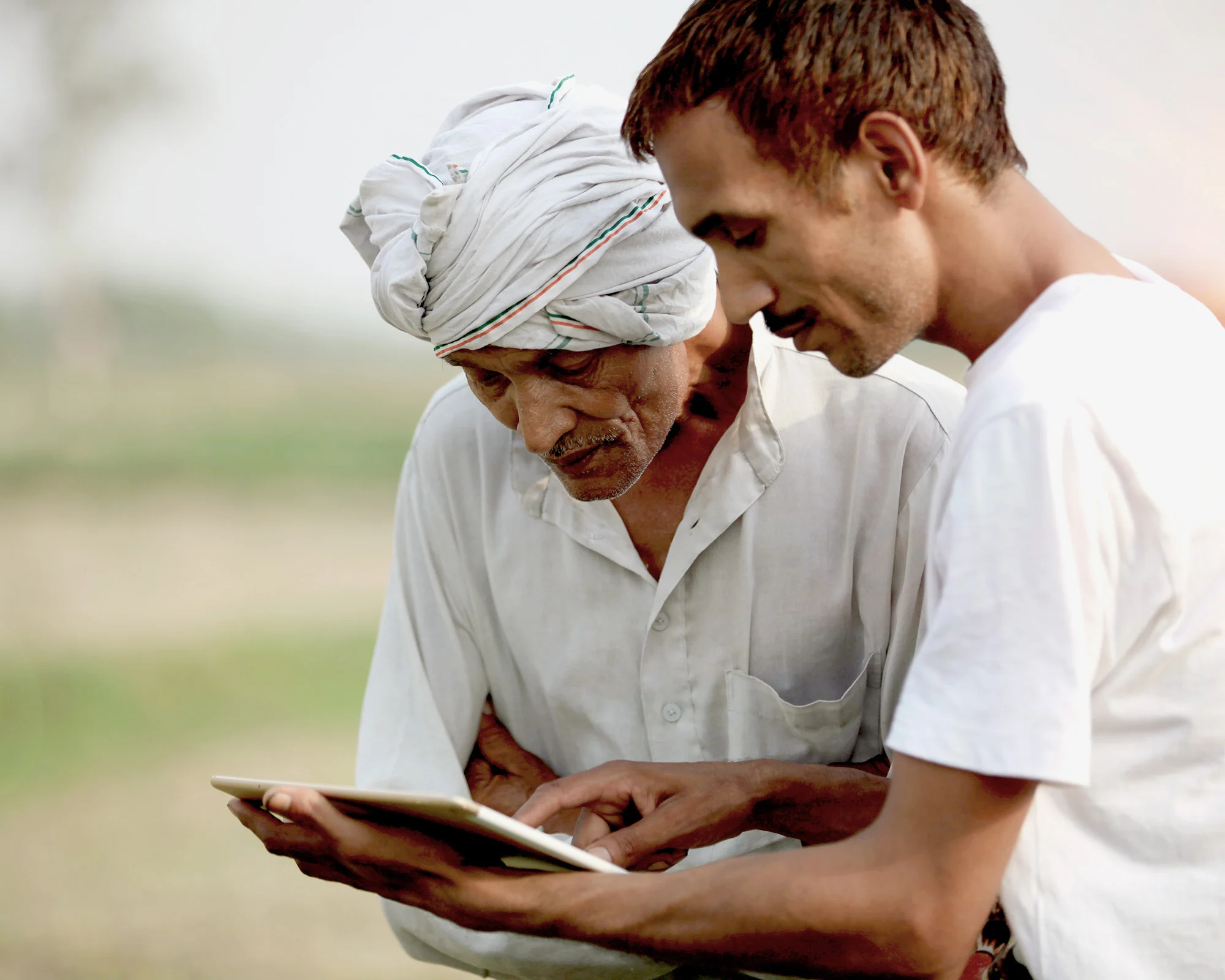
Despite this undeniable impact, a large percentage of the world still does not have access to the Internet, especially in developing countries. This lack of Internet connectivity inhibits individuals and organizations from learning, growing and developing their digital economies, ultimately creating a deep divide between urban centers and rural districts. In short, many believe that this lack of connectivity may even slow the economic growth in some developing regions.

The second most populated country in the world, India, has only about 30 percent of its population Internet connected. At the same time, it provides an example of how expanding Internet access helps to elevate both individuals and a country as a whole.

In 2001, only seven million people in India were connected to the Internet. Today, the country has over 391 million users. Some believe that this increase in Internet availability has allowed India’s small businesses to realize greater economic achievements. For example, doctors are able to expand the scope of their geographical activities, and students are able to gain access to otherwise unattainable information. Internet access is also enabling visually and physically challenged students at the Balagangadharanatha Swamiji Blind Residential School in India to expand their educational opportunities. In fact, one student has been so inspired by the ability to learn more through the Internet that he’s now building an app that can help other blind people with health-related information.

It’s a similar story in South Africa, where Internet access is improving, but remains well behind the global standard. Approximately 16 percent of the world’s population lives in Africa, but the Internet serves only about 9 percent of that population.

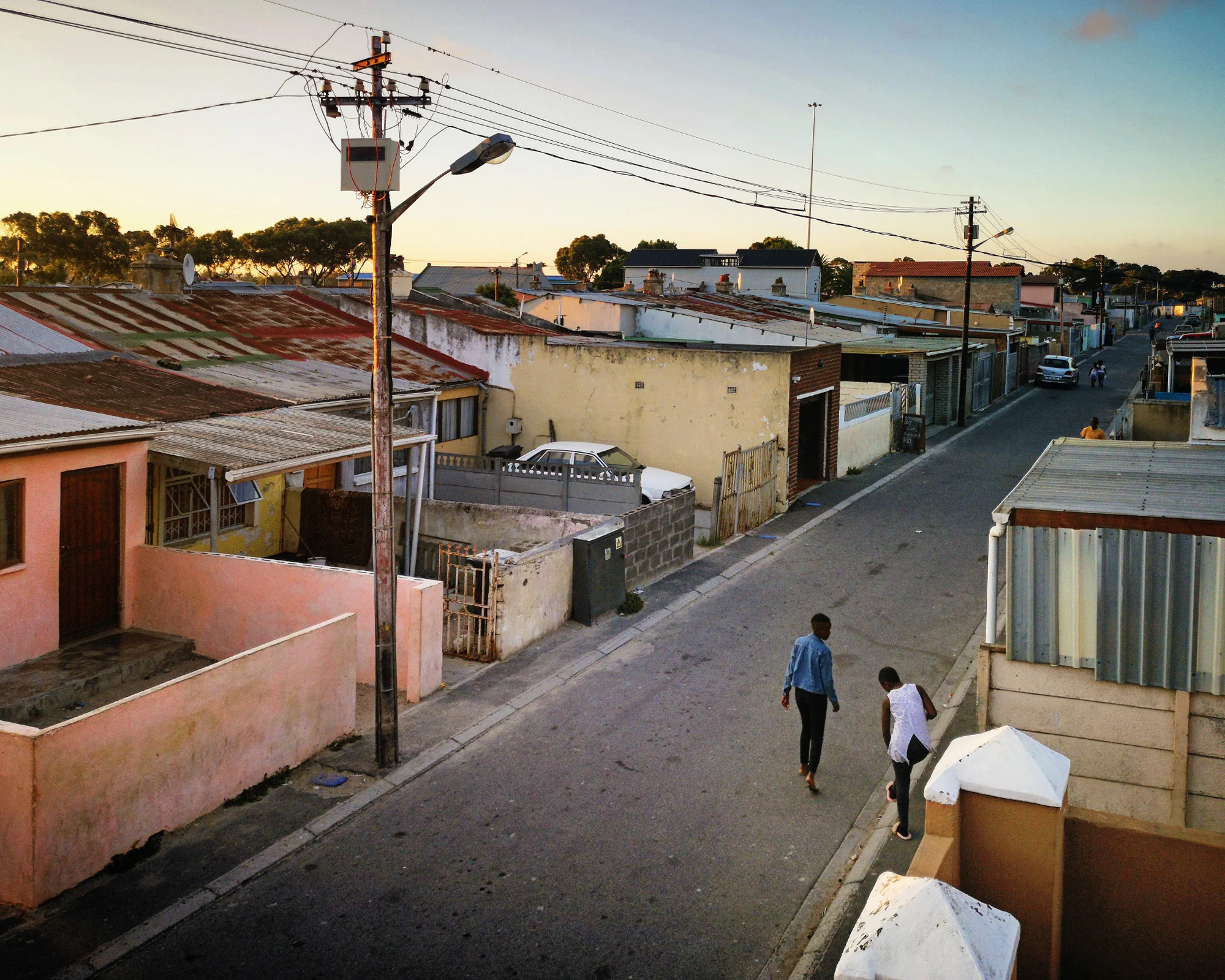
The roll out of public Wi-Fi in Delft, South Africa is another critical example of how increasing access to the Internet can open up opportunities for many. The expansion of public Wi-Fi has enabled local tech businesses to create jobs in the community, thereby boosting the economy and stemming the outflow of residents who were leaving the area.

Fortunately, new technologies can bring about a resolution to a lack of Internet access worldwide and allow emerging markets like India and South Africa to grow and prosper.

At Delta, we understand the importance of increasing access to the Internet to support these underserved populations through our Delta Smart Grid Network (DSGN™) – a singular, standardized, and scalable network that enables these communities to not only optimize power delivery, but also build out a Wi-Fi network, essentially creating a large hot-spot.
Through this critical Internet access, we are providing the opportunity for these communities to expand education, develop new enterprises and, ultimately flourish.


Solving Business and Social Issues in Tandem

Solving Business and Social Issues in Tandem

Food, water, energy – these are the three most fundamental social needs facing the world’s population. And at the point where these three basic needs intersect there are even more difficult challenges to address – it takes water to create food and energy; it takes energy to move, heat and treat water, and to produce food; and sometimes food crops become the source of energy. Because they are interconnected and interdependent, actions or change with respect to one will certainly impact another or both.

Today we also see emerging markets expanding exponentially; all while critical infrastructure and necessary resources are lagging. Without Internet access, these underserved populations in the developing world aren’t able to utilize web-based healthcare or education resources to improve their earning ability or advance their well-being. Not to mention the challenges brought about by the digital divide between urban centers and rural districts, and poorly developed and/or managed infrastructure that make it even more difficult.

Despite these challenges, and rather than relying on the legacy infrastructure available in the developing world, there are opportunities to adopt and implement technologies specifically suited for local market conditions. By focusing on new technologies to address these needs and pursuing public-private partnerships, it’s possible for emerging markets to move forward toward development, prosperity and growth.

At Delta, we understand the association between these needs, and how energy and Wi-Fi can provide the foundation for people in developing communities to grow and thrive. We recognize how our unique solution can be brought to bear in taking on and solving these kinds of local social and economic issues, in order to provide opportunities for those in underserved populations to become empowered to better their future.

For example, when a local utility builds out and optimizes its system using our Delta Smart Grid Network (DSGN™) – a singular, standardized, and scalable network that enables underserved communities – it’s not only optimizing its power delivery, it’s also building out our Wi-Fi network, essentially creating a large hot-spot. And with Internet access now available, the opportunity to expand education, support micro-enterprise and empower the local economy will surely follow.

Our philosophy at Delta is that business and social issues are not mutually exclusive; each needs to be addressed in ways that empower the other. Through efficient access to energy and then access to the Internet, underserved populations will be able to tap into the many Internet-based resources currently unavailable to them. They’re then empowered to pursue microenterprise and contribute to the local economy.
Ultimately, our vision is to engage with global non-profits and development funds to realize and expand this capability in these underserved markets.


Establishing Efficient Electrical Power

Establishing Efficient Electrical Power

In our last blog post, we discussed the need for electrification in rural areas, specifically Africa and the challenges utilities face when trying to deliver power to their communities to meet basic human needs. Though we initially focused on Africa, it is important to emphasize that this is not the only continent that experiences this problem. At Delta, we strive to help utilities everywhere – whether they are located in the Caribbean, Mexico, South America, Sub-Saharan Africa, India, Southeast Asia or elsewhere. With the world’s electrification rate in rural areas being 68%, we look to find ways to help so that everyone has access to reliable electricity.

With so many people living without reliable access to power, we wonder if the traditional approach of extending the grid to provide electricity to these communities is proving to be insufficient despite the valiant efforts of utilities worldwide. Many have noticed this approach is mostly dependent on being centralized and can require electricity to be transmitted over long distances. But distributed power resources and micro-grids offer developing regions a more flexible and less expensive alternative and can help utilities overcome some of the challenges they face when trying to extend the grid in a traditional manner.

These solutions can operate concurrently or independently from the main utility grids already in place, they utilize renewable energy, and make it possible for utilities to create energy closer to where it is being used. Another benefit is that they enable community empowerment by allowing for local energy reliability and independence. And, utilities are beginning to recognize these alternatives may offer a more sustainable solution. In fact, according to the PWC Global Power Utilities Survey in 2015, 82% see the distributed power generation as an opportunity to match supply and demand rather than meet demand itself. As utilities look to new solutions they must also look at ways they can help the communities they serve prosper outside of just reliable power.

As these utilizes start to grow and expand, something that micro-grids and distributed power resources enable, it is important to recognize the specific needs of these under-served communities in which micro-grids are being placed. These communities reflect new customers with unique needs.
Consequently, we created Delta Squared to empower utilities to do just that! Our strategy is to align utilities with the social needs of their customers by dedicating a small percent of their smart grid enhanced revenues into a dedicated fund, locally managed by a Delta established 501c3. This dedicated fund empowers the utility’s customers through local infrastructure investment, supporting enterprise growth, education and livelihood enhancement.

At Delta, we strive to help utilities as they look to new solutions that can help them achieve the best return on their investment in modernizing old infrastructures, developing more productive business models, and of course, bettering customer satisfaction as the energy sector evolves.


Bringing Electrical Power to Rural Areas

Bringing Electrical Power to Rural Areas

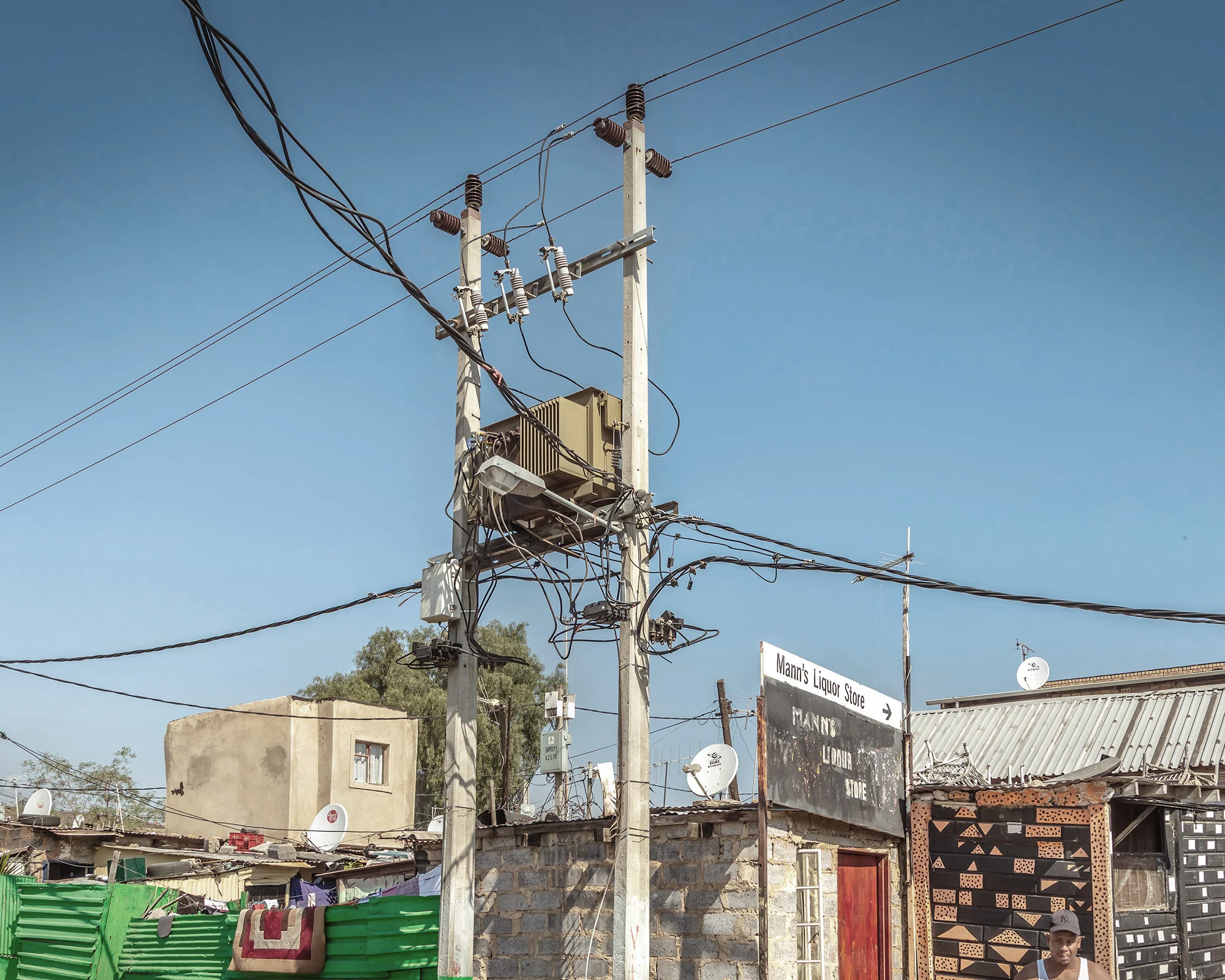
Fifteen percent of the world’s population lives on the African continent, but the electrification rate there is only 42 percent. With all the advancements in technology today, it seems erroneous that there are still 1.3 billion people in the world living without access to electricity. And on top of that a large number of this group, about 84 percent, lives in rural areas that have not established an infrastructure or do not have consistent access to one that supports their energy needs. These Sub-Saharan zones are basically living in darkness and need outside help in building an infrastructure to bring in electricity.

In South Africa, for example, utility company, Eskom – which provides the country with 95 percent of its electricity – is considering instituting daily controlled rolling blackouts. They have more than seven million people to add to the grid, and an infrastructure that is not robust enough to support them all at once.

Problems like the one Eskom is facing are far too common in third world countries. There are utilities that have energy to give, but are using archaic technology that prevents them from deploying it to the masses. The two most outdated approaches to delivering energy that is plaguing these utilities are:

  1. Operating a distribution grid by looking at only the substations. If we can help utilities in these regions deploy technology that would add data from endpoints (meters) and intermediate points (reclosers, breakers, transformers, etc.), they will significantly modernize their operations.
  2. Collecting voltage information from the endpoints. This is somewhat related to the previous point, but operating without this information creates a potentially dangerous blind spot that can lead to outages and worse. Technology that helps the utilities in these regions collect this information would go a long way.

There are solutions available. Utilities in Africa, like Eskom, can look to cloud computing technologies, including the solutions in the Delta Smart Grid Network (DSGN™), as a way to correct the issues mentioned above head on. The DSGN provides configurable computing power so that data storage can be easily added, to almost any level, to store the data needed for robust analytics. Delta’s DSGN empowers utilities to unlock a wealth of information that can lower operational costs and maximize investments in the region – all with low initial implementation costs. And if we can connect African utilities to the cloud using modern technologies and engineering – the benefits for the entire globe are endless.

For regions like Sub-Saharan Africa, which alone accounts for 585 million people living without electricity, reliable rural electrification is needed to bring a better quality of life to residents. We are confident that our solutions will deliver better energy management to third world countries, like Africa, so that there is a higher potential to raise them out of third-world status and bring them one step closer to enjoying technologies that the rest of the world is lucky to be able to use daily.


DistribuTECH Africa 2015

DistribuTECH Africa 2015

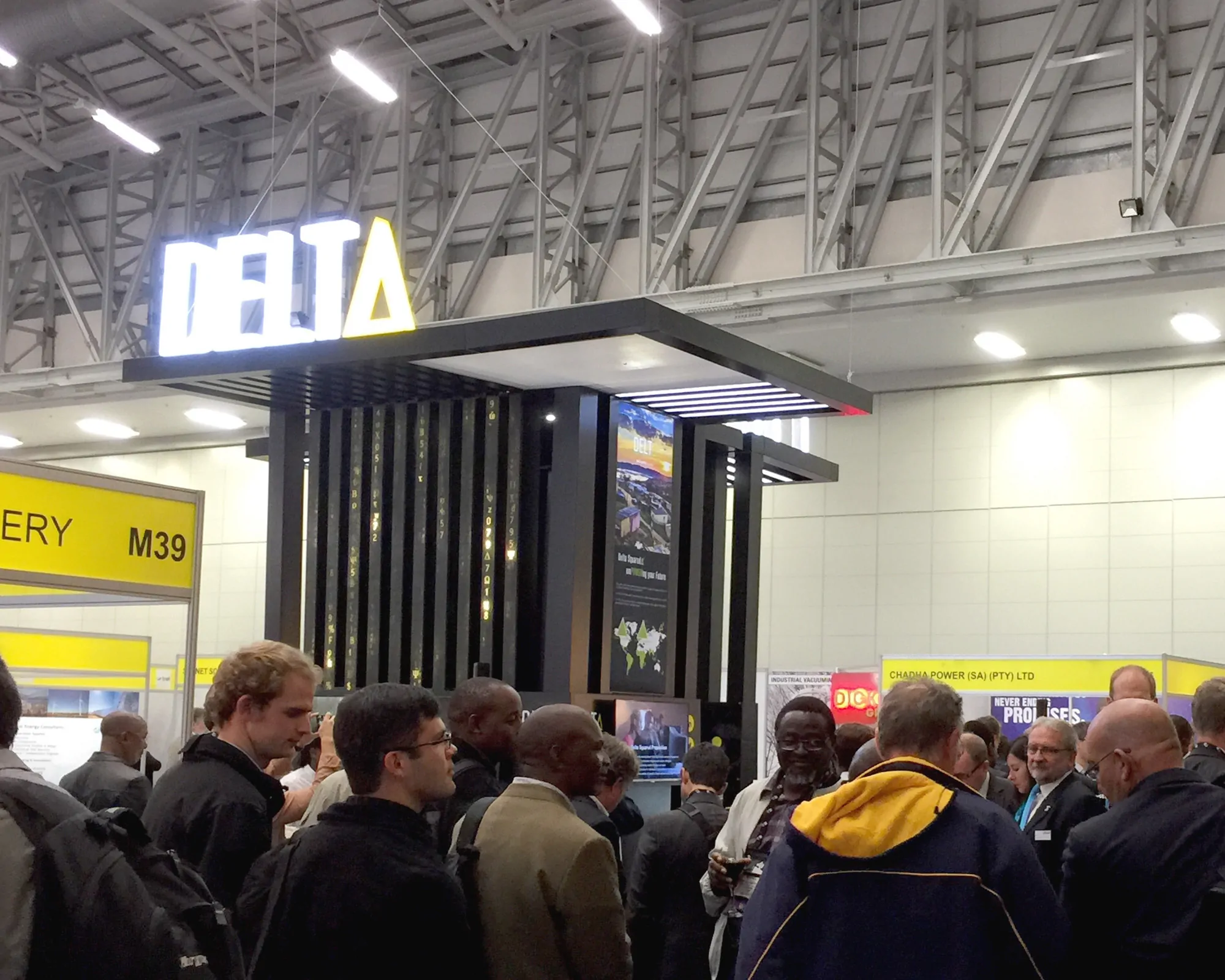
During the week of July 13th we had the opportunity to travel to Cape Town, South Africa and be a part of DistribuTECH Africa. Not only were we able to participate at the show as an exhibitor, but we also shared the official launch of the Delta Smart Grid Network (DSGN™) with attendees, who based on the feedback from those who attended our booth, were very excited about the new products and capabilities.

The event, hosted by Penwell Publishing, is one of the largest exhibitions in the Transmission and Distribution markets within Sub-Saharan Africa. This year’s show brought together 2,330 African and international transmission and distribution sector professionals to address the power needs, resources and issues facing the electricity generation industries across sub-Saharan Africa.

Delta designed a booth that allowed us to demonstrate the DSGN and explain why our solutions are important in places like Sub-Saharan Africa. We are also pleased to report that Delta was asked to host the show’s closing awards ceremony at our own booth and were honored to have our very own Executive Vice President of Customer Engagement, Dave Powers, present the awards at the ceremony. Below are a few images from Dave presenting, as well as the party that took place at our booth.

We are very excited about the relationships that we made and all that we learned during the show. We will also be participating at DistribuTECH 2016 in Orlando, Florida in February and look forward to seeing you there!


Welcome to Delta’s Blog!

Welcome to Delta’s Blog!

Thank you for taking the time to visit our site and learn about Delta Energy & Communications. I have always been passionate about the promise of the energy sector, but cognizant of its shortcomings – especially in developing regions that need it the most.

The statistics themselves are simply haunting: over 1.3 billion people constantly experiencing power outages or living without power. Further, nearly 81% of the 800 million people in the Sub-Saharan region rely on wood-based biomass energy (fuel wood and charcoal) for cooking rather than modern electricity. The number of annual deaths associated with this method are profound. You can find statistics like this in every developing region; this is why we formed Delta.

Our desire is to help utilities realize the benefits of big data so that they may better serve their communities. Our software solution and hardware product work together to sift through the massive amounts of unstructured data that flows through a network and creates order. These products allow a utility to turn asset performance ambiguity into system efficiency enhancement, predictive cost forecasting, enhanced revenue obtainment and more. To realize our vision, we’ve gathered an executive team encompassing a powerhouse of expertise including over 120 years of combined experience. This experience includes senior leadership positions at tier-1 energy technology companies, smart grid and international manufacturing organizations as well as international engineering companies. Our core competency includes a unique expertise in emerging markets, community engagement and business model execution. We believe the combination of our technology innovation and leadership experience will give us the opportunity to catapult all utilities, big or small, into the era of big data.

Our company is grounded by four key values: Dignity, Empowerment, Transparency, and Innovation. By upholding these values through all of our operations, we are confident that we will give customers unparalleled insight into today’s utility operations. Ultimately, we hope this execution fosters informed decision-making and strategic planning that can promote a better future for utility operations and the communities they serve.

In summary, we are passionate in our execution from the macro to the granular details. We are delighted to serve you, our global customers, and welcome the opportunity to work with you in simplifying your BIG DATA needs.


Contact

United States
29975 Technology Drive
Suite 101, Murrieta
CA 92563

+1 951 816 6338
[email protected]